
Port, Jetty and Marine Corrosion Protection
Corrosion control, coating, and HR solutions for vessels, ports, shipyards, and marine infrastructure across Southeast Asia.
What drives complexity in this sector
Ports and harbours run on buried and sea-water-immersed steel: sheet-piled wharves, quays, piled piers and jetties, mooring dolphins, dockside tankage and the fuelling and fire-water piping that serves the berths. JST Group brings cathodic protection, splash zone and specialist coating systems, marine survey, supply chain support and qualified marine crew to port authorities, terminal operators and vessel owners across the region.
Hull Biofouling & Corrosion
Vessels and marine infrastructure face constant attack from marine organisms, chloride corrosion, and galvanic action requiring active protection programs.
How we solve it: Hull Biofouling & CorrosionPort & Jetty Infrastructure
Sheet-piled wharves, jetty piles, dolphins and berthing structures in the splash and tidal zone need impressed current CP, pile wrap systems and regular potential surveys, and the dockside piping behind them needs the same attention.
How we solve it: Port & Jetty InfrastructureMarine Crew Requirements
Class-certified, medically fit offshore and marine crew must meet client-specific competency frameworks, safety standards, and flag-state requirements.
How we solve it: Marine Crew RequirementsDry-Dock Constraints
Hull maintenance and anode replacement can only occur during scheduled dry-dockings, requiring efficient planning and fast-turnaround execution.
How we solve it: Dry-Dock Constraints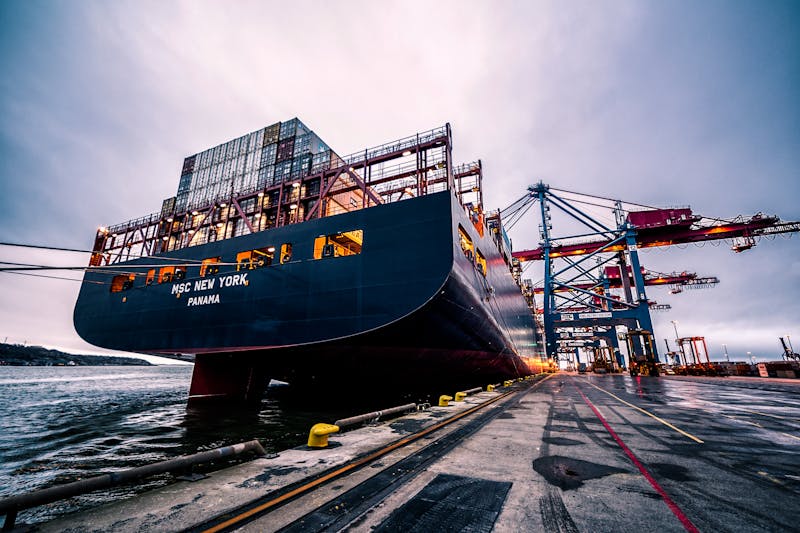
Sector
Marine
Where corrosion starts in Marine assets, and how we stop it
The asset groups that corrode first, the mechanism behind each, and the JST service that addresses it. Compiled by our Corrosion Control Division from survey and maintenance work across the region.
- 01
Sheet-piled wharves and quay walls
How we solve it: Sheet-piled wharves and quay wallsThe threat Accelerated low-water corrosion, bacteria and tidal-zone attack remove steel from sheet piles at up to a millimetre a year.
How we protect it Impressed current CP for wharf steelwork, pile wrap systems in the tidal zone and thickness monitoring.
- 02
Piled piers, jetties and dolphins
How we solve it: Piled piers, jetties and dolphinsThe threat Splash and tidal zones on tubular piles and berthing dolphins corrode fastest and are the hardest to reach.
How we protect it Splash zone coating and petrolatum wrap systems, galvanic anodes on piles and periodic potential surveys.
- 03
Dockside fuel, water and fire-water piping
How we solve it: Dockside fuel, water and fire-water pipingThe threat Buried lines in chloride-rich fill corrode externally, with interference from quay CP systems and shore power.
How we protect it DCVG and CIPS surveys, CP extension to dockside piping and isolation joints at the ship-to-shore connection.
- 04
Storage tanks and silos
How we solve it: Storage tanks and silosThe threat Soil-side corrosion of tank floors on reclaimed land with saline groundwater, and atmospheric attack on shells.
How we protect it Tank-bottom CP, CorroLogic vapour-phase inhibitor under the floor and coating programmes.
- 05
Vessel hulls and dry-dock work
How we solve it: Vessel hulls and dry-dock workThe threat Hull coatings and anodes degrade between dockings, with galvanic action between hull, propeller and shore power.
How we protect it Hull CP design and anode replacement, hull potential surveys and coating repair in dry dock.
- 06
Cranes, gantries and steel superstructure
How we solve it: Cranes, gantries and steel superstructureThe threat Marine atmosphere, salt spray and crevices at bolted connections drive atmospheric corrosion of port handling equipment.
How we protect it Coating condition surveys and recoating programmes, inspection of bolted connections and structural NDT.
What we deliver in this sector
Each service links directly to the relevant page for full capability detail.
Cathodic Protection
Impressed current and anode systems for jetty piles, berths and vessel hulls.
Splash Zone Coatings
Splash and tidal-zone protection for jetty piles, dolphins and berthing structures.
Marine Survey & Positioning
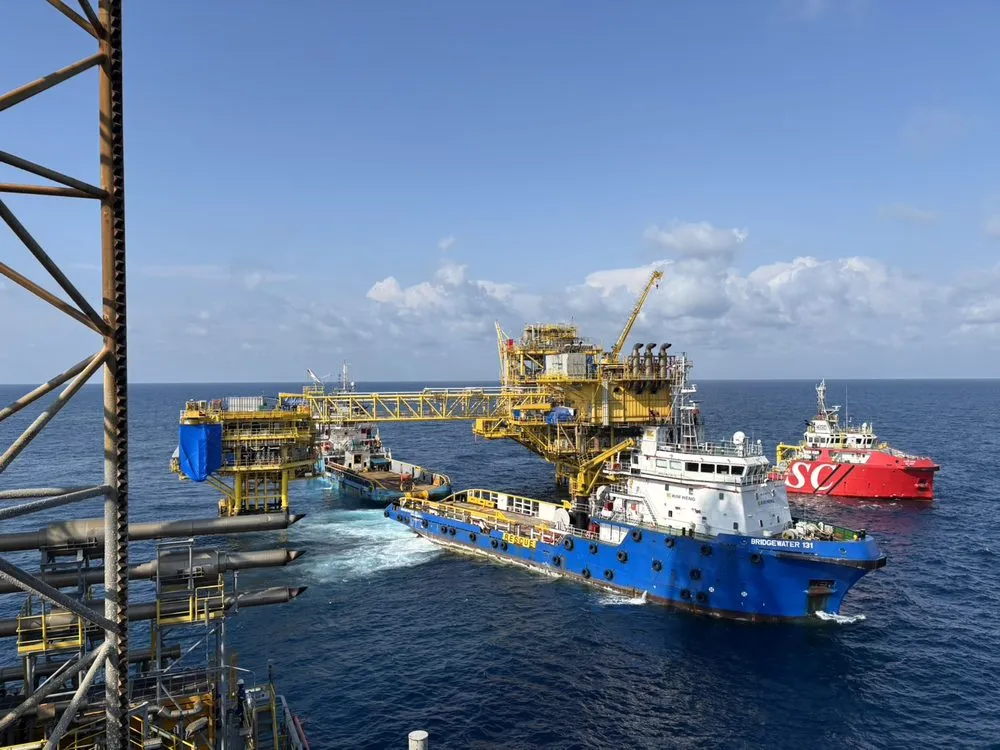
Rig and barge positioning, anchor-handling support and seabed site surveys.
Survey & Inspections
Side-scan sonar, multibeam and debris surveys for marine works and structures.
Marine Supply
Aids to navigation, maritime safety and communication equipment, and rescue vessels.
HR Solutions
Certified marine and offshore crew, with employment, payroll and work-permit support.
Marine Survey & Positioning
Geophysical and geotechnical site surveys, rig and barge positioning, anchor handling and rig-move support for offshore operations.
Learn MoreWhat JST supplies for Marine
Services delivered by our own AMPP-certified engineers and technicians, and products from the manufacturers we represent in Thailand and Southeast Asia, supplied and supported from Bangkok.
Request a quotationCathodic protection services
Surveys, design, installation, testing, commissioning and maintenance of impressed current and galvanic anode systems.
CP retrofit and life extension
Deepwater retrofit anode sleds, clamps and life-extension systems for platforms, jackets, piles and subsea pipelines.
Cathodic protection materials
Anodes, backfill, reference electrodes, cables, junction boxes, test posts and transformer rectifiers, supplied through JST in Thailand.
Corrosion monitoring systems
Cosasco corrosion coupons, ER and Microcor probes, LPR and ZRA probes, access fittings and online data systems, installed and serviced by our technicians.
Corrosion-under-support solutions
Deepwater pipe supports and I-Rod systems that stop crevice corrosion where pipes rest on steel.
Electrical isolation and sealing
GPT monolithic isolation joints, flange insulating kits, casing spacers, end seals, link seals and Evolution sealing gaskets.
Flange splash guards
Artema safety spray shields for flanges carrying hazardous, hot or corrosive fluids.
Survey instruments and equipment
Cath-Tech and other instruments for CP, DCVG, CIPS and soil resistivity surveys, supplied with calibration and training.
Preservation and VpCI products
Cortec vapour-phase corrosion inhibitors for stored equipment, spares, modules and shutdowns, supplied with Optimal Tech, Cortec's master agent for Thailand.
Working in this sector?
Tell us about your challenge. Our teams across Southeast Asia respond within 24 hours.