
Critical spares and warehouse preservation
Inventory surveys, condition grading, rust recovery, packaging upgrades, VpCI films, emitters, desiccants where appropriate, and clear inspection routines for stored parts.
JST applies Cortec Corporation VpCI, MCI, and CorroLogic technologies to protect critical spares, tanks, pipelines, packaged equipment, power assets, and offshore infrastructure before corrosion becomes an operating problem.
Corrosion often starts before an asset enters service. Equipment can deteriorate during fabrication, project delay, outdoor laydown, overseas shipment, shutdown, mothballing, and warehouse storage.
As a Cortec partner, JST builds preservation programs around practical site conditions: humidity, sea freight, inspection access, electrical enclosures, rotating equipment, tank bottoms, pipeline casings, and the critical spares that must work immediately when they are needed.
The objective is not only to delay deterioration. A good preservation program keeps assets clean, inspectable, documented, and ready for safe commissioning or return to service.

Cost of corrosion
Cortec preservation methods help reduce repair, replacement, rework, project delay, and unplanned downtime by protecting assets during the periods when they are usually most exposed and least monitored.
$2.5T
Estimated global corrosion cost
The brochure cites global corrosion costs at approximately 3.4% of GDP, with indirect costs potentially doubling the impact.
15-35%
Preventable through management
A meaningful share of corrosion cost can be avoided with planned corrosion management and preservation practices.
$200K-$600K/hr
Oil and gas downtime exposure
Unplanned downtime can become extremely costly when unavailable spares delay return to service.
10%+
Extra spares often forecast
Greenfield projects may carry extra spares to compensate for uncertainty and poor preservation control.
VpCI molecules vaporize, migrate, and adsorb onto metal surfaces inside packages, voids, enclosures, casings, tanks, and complex equipment geometry.
Corrosion needs metal, oxygen, and an electrolyte. VpCI technology helps interrupt this process by creating a molecular barrier on metal surfaces and reducing the conditions needed for corrosion to continue.
Metal
Oxygen
Electrolyte
01
VpCI products release corrosion-inhibiting molecules into the enclosed or semi-enclosed space around the asset.
02
The vapor phase moves across complex shapes, voids, internal cavities, electrical boxes, packaged equipment, and hard-to-access surfaces.
03
The inhibitor adsorbs onto metal surfaces, helping interrupt corrosion without requiring direct coating of every internal surface.
The strongest preservation programs are planned from FEED and procurement through storage, shipment, construction, commissioning, and long-term critical-spares management.
Talk to a preservation specialistDefine corrosion risks, storage periods, transport routes, inspection access, responsible parties, and acceptable preservation methods early in the project.
Specify VpCI films, emitters, oils, fogging fluids, powders, temporary coatings, and documentation before equipment leaves the manufacturer.
Protect equipment exposed to outdoor weather, dust, salt air, and project delay during stick-built or modular construction.
Protect modules, spares, and packaged equipment exposed to salt air and water during weeks or months of transport and customs handling.
Keep internals and critical equipment protected until systems are ready for cleaning, inspection, installation, and controlled startup.
Preserve standby parts so they pass condition checks and remain ready for outage, shutdown, and emergency use.
The checklist below turns the brochure guidance into work packages that can be specified, inspected, and maintained on real sites.
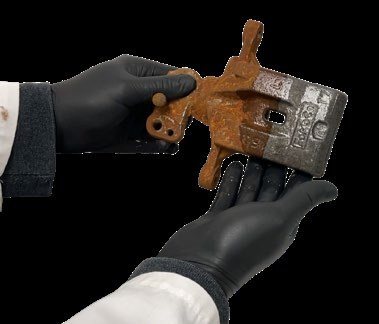

The brochure outlines a structured clean, protect, preserve workflow for corroded spares and components. JST can adapt this into a practical warehouse or shutdown recovery program.
Set up controlled stations for rust removal, rinse water, and alkaline neutralization.
Clean and degrease the part before treating corrosion products.
Immerse or treat the part with the appropriate Cortec rust remover.
Rinse residual remover and loosened corrosion products at defined inspection points.
Neutralize and inhibit flash rust before the part is dried.
Preserve the recovered part with films, emitters, fogging fluids, coatings, or grease as appropriate.
A complete program may combine VpCI packaging, films, emitters, fogging, temporary coatings, rust removal, tank-bottom protection, inspection access, and preservation records.
Inventory surveys, condition grading, rust recovery, packaging upgrades, VpCI films, emitters, desiccants where appropriate, and clear inspection routines for stored parts.
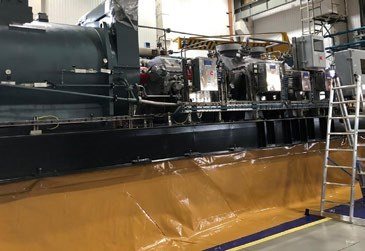
Temporary preservation for turbines, generators, gearboxes, engines, terminal boxes, valves, pipe spools, pressure vessels, and packaged equipment.
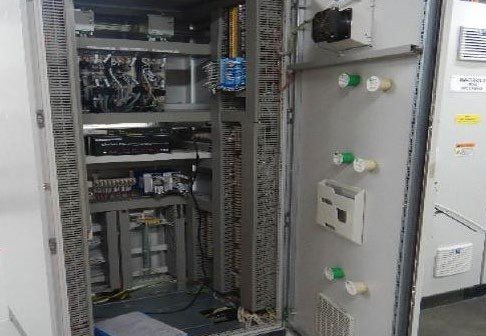
Emitter-based and contact-protection methods for control panels, junction boxes, terminal boxes, and sensitive electrical compartments during storage and delay.

CorroLogic and VpCI-based approaches for areas that are difficult to inspect, coat, or protect through conventional direct-contact methods.
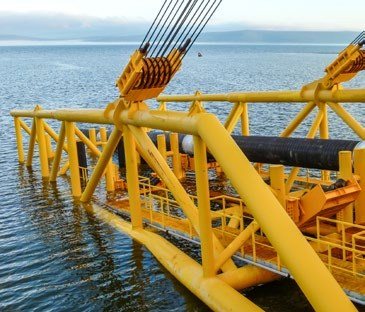
Preservation support for modules, offshore structures, fabrication yards, construction laydown areas, exposed steel, and reinforced concrete assets using VpCI and MCI technologies.

Preservation support for turbines, generators, control cabinets, heat exchangers, boilers, transformers, and standby equipment during outage, storage, or mothballing.
Cortec CorroLogic and VpCI systems are designed for corrosion risks in areas that cannot be easily coated, cleaned, powered, or inspected. JST can integrate these methods with corrosion engineering, cathodic protection, inspection planning, and repair strategy.
Cortec video reference for tank-bottom protection during outage, inspection, or maintenance access.
Open on YouTubeCortec video reference for corrosion control options while tanks remain in operation.
Open on YouTubeCortec video reference for building tank-bottom protection into new tank construction.
Open on YouTubeThese use cases reflect the types of assets, risks, and preservation decisions JST can help customers assess and implement.
VpCI wipes, papers, bags, and emitters can protect precision parts during storage and transport while reducing heavy rust-preventative cleanup before commissioning.
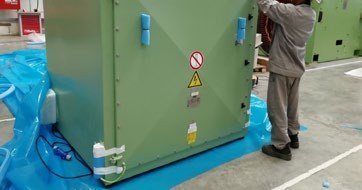
VpCI emitters, contact sprays, and shrink films can protect sensitive electrical components during storage, shipment, and project delay.
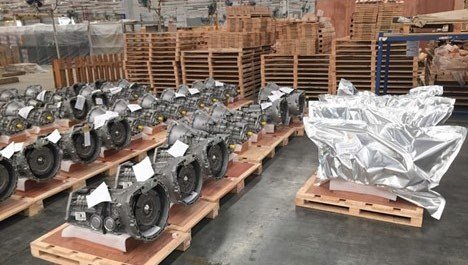
Temporary preservation reduces corrosion risk before installation, during outage, or while turbines, generators, compressors, and gearboxes are held as spares.
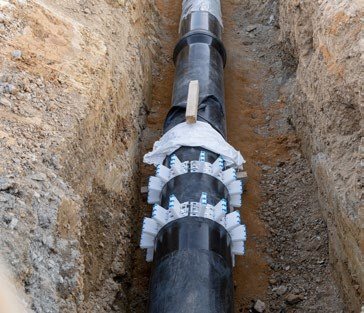
VpCI methods can help protect annular spaces, recessed surfaces, and buried interfaces where inspection and conventional coating access are limited.
CorroLogic systems can support tank-bottom corrosion control for new, in-service, and out-of-service AST preservation strategies.
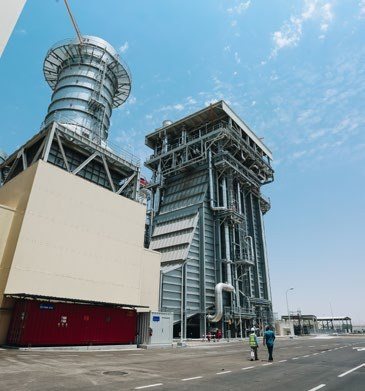
VpCI fogging and lay-up methods can provide an alternative to more complex preservation methods for boilers, turbines, generators, and power equipment waiting for service.
Preservation is strongest when product selection, engineering basis, coating condition, CP performance, inspection access, and handover documentation are treated as one program.
Chemical treatment and Cortec VpCI product selection for preservation, lay-up, packaging, and corrosion mitigation.
Learn moreRisk studies, preservation basis, material review, specifications, and corrosion-control strategy.
Learn moreCathodic protection design, survey, and troubleshooting for buried, submerged, and tank-bottom assets.
Learn moreMonitoring, inspection, verification, and data interpretation to confirm protection is performing.
Learn moreProtective wrapping, coating, repair, and surface preparation for exposed assets.
Learn moreSurvey and inspection support for asset condition checks, preservation hold points, and project handover.
Learn moreIndustries We Serve This In
JST can review your asset type, storage period, transport route, inspection requirements, and operating environment to recommend a practical preservation plan.